CNC Machining Materials
Brass
YJCNC machines precision brass components to customer drawings, using CNC turning, CNC milling, turn-mill and Swiss-type processes. Brass is one of the most practical materials for high-volume and high-precision turned parts, and our team helps you select the right alloy, process and inspection plan for your application.
Brass at a Glance
- Typical Processes
- CNC Turning, Swiss-Type, Milling
- Listed Precision
- Up to ±0.01 mm on main CNC equipment
- Order Types
- Prototype, Repeat and Production
- Inspection
- Drawing-Based Dimensional Verification
Why Brass Suits CNC Machining
Brass combines good machinability with useful functional properties. It holds fine tolerances well, produces clean surface finishes and supports efficient cutting, which makes it a common choice for turned and milled components.
Excellent Machinability
Free-cutting brass alloys allow high cutting speeds, good chip control and stable tool life in production runs.
Corrosion Resistance
Brass resists corrosion in many water, air and general industrial environments, supporting long service life.
Electrical & Thermal Conductivity
Good conductivity makes brass suitable for terminals, connectors and components that manage heat or current.
Dimensional Stability
Brass parts maintain consistent dimensions, supporting reliable assembly and repeatable fits across batches.
Common Brass Alloys
Alloy selection depends on machinability needs, corrosion exposure, forming requirements and end-use conditions. Our engineers review your drawing and application before recommending a material.
| Alloy | Common Name | Key Characteristic | Typical Components |
|---|---|---|---|
| C36000 | Free-Cutting Brass | Highest machinability among common brasses | Fittings, screws, precision turned parts |
| C26000 | Cartridge Brass | Strong, ductile and well suited to forming | Formed parts, springs, housings |
| C46400 | Naval Brass | Enhanced resistance in marine and wet environments | Marine hardware, valve components |
Brass Machining Capabilities
Our equipment base covers a wide range of brass part sizes and geometries, from small slender pins to multi-feature turned and milled components.
CNC Turning
Shafts, sleeves, bushings and turned connectors produced on CNC and gang-type lathes.
Swiss-Type Machining
Small, slender and complex brass components with tight diameter control.
CNC Milling & Turn-Mill
Brackets, housings and parts that combine turned and milled features in a single workflow.
Typical Brass Components
We regularly produce brass parts for plumbing, electrical, instrumentation and general industrial applications.
- Valve bodies, fittings and adapters
- Bushings, sleeves and spacers
- Electrical terminals and connectors
- Pins, screws and threaded components
- Instrument and mounting parts
Quality Verification
Brass components are checked against your drawing using calipers, micrometers, height gauges, optical measuring systems and coordinate measuring equipment. Thread gauges and surface roughness testing are available for threaded and finished features.
Ready to Machine Your Brass Parts?
Send your drawing, alloy preference and quantity to YJCNC. We will review the design and respond with a machining quotation.
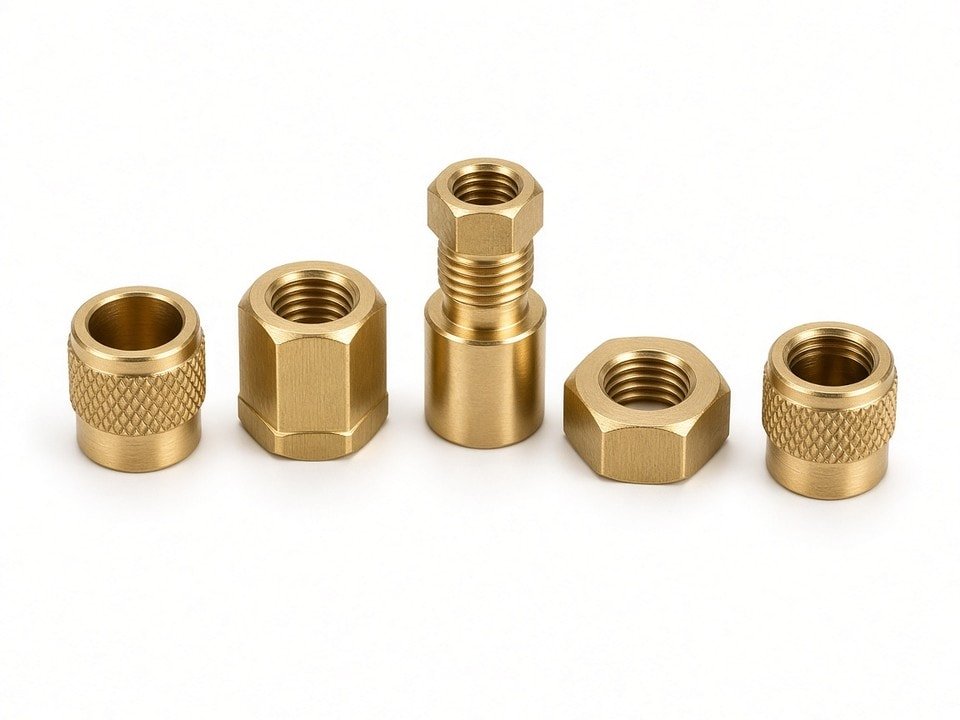
C360 Free-Cutting Brass CNC Machining | Precision Turned Parts | YJCNC
CNC machining of C360 free-cutting brass parts on turning, Swiss-type and turn-mill equipment. Send your drawing for DFM review and a quotation from YJCNC.
View details →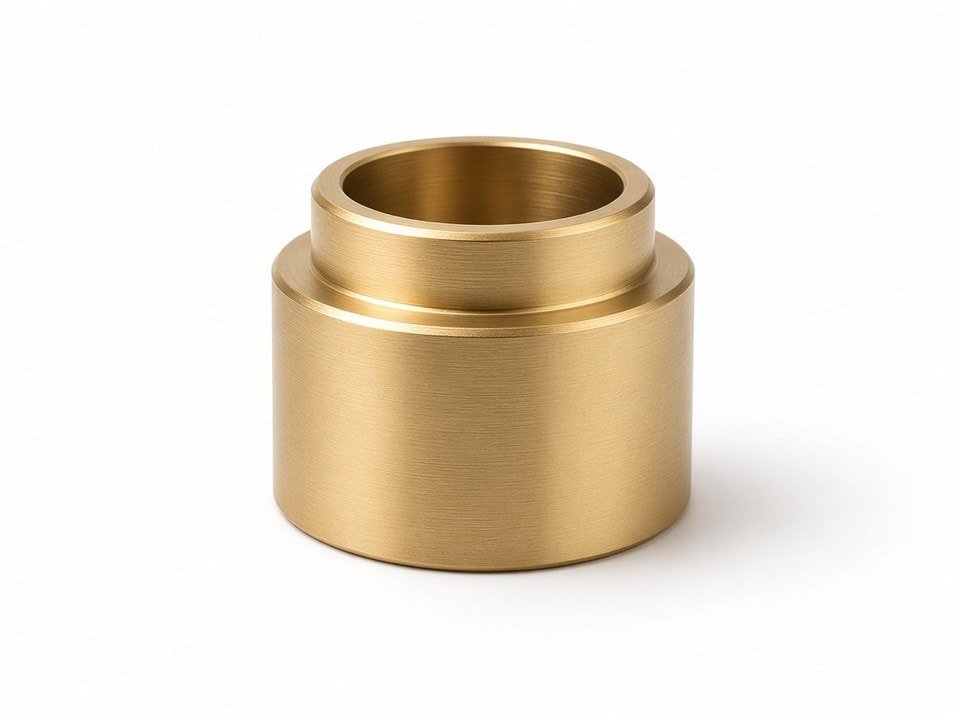
C260 Cartridge Brass CNC Machining | Custom Parts
Request C260 Cartridge Brass machining for turned and milled parts. Send your material standard, drawings, quantity, finish, and inspection requirements for a quote.
View details →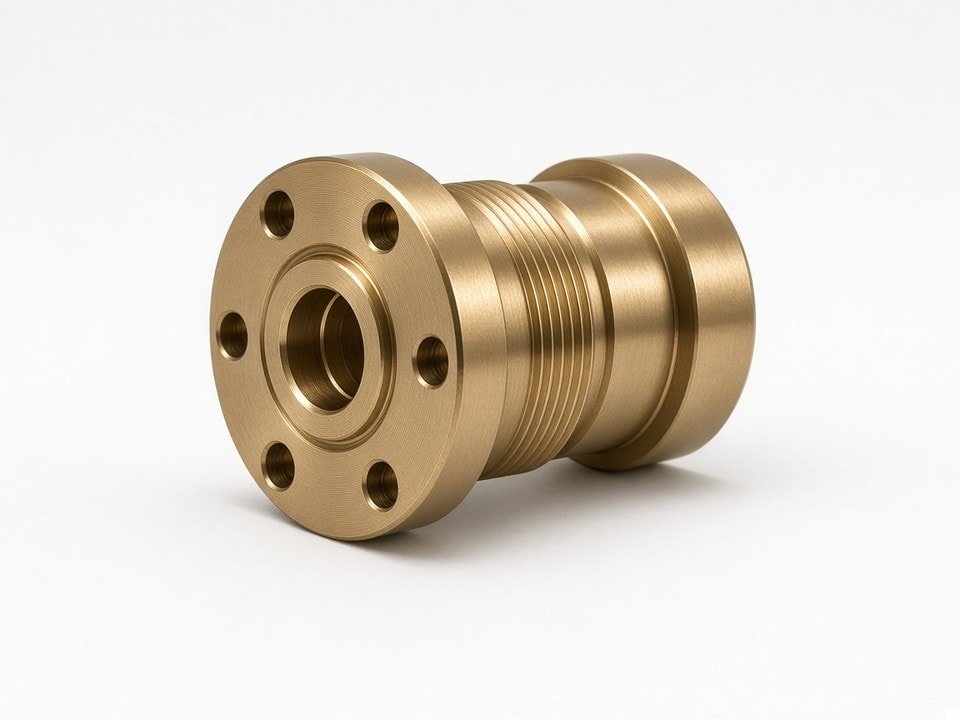
C464 Naval Brass CNC Machining for Marine Parts | YJCNC
C464 naval brass CNC machining for marine parts. We check alloy fit against your conditions, hold thread and sealing features, and quote from drawings.
View details →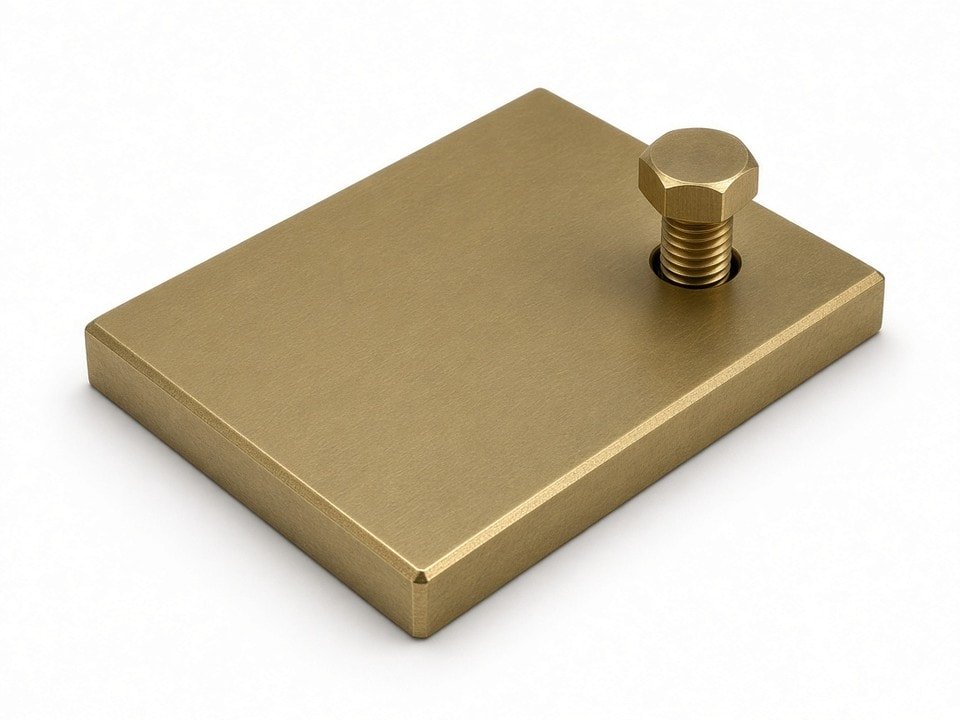
C280 Muntz Metal Machining | Custom CNC Parts
Request a quote for custom C280 Muntz metal parts. We review material standards, drawings, tolerances, quantities and finish needs before recommending CNC processes.
View details →