CNC machining and finishing coordination
Electroplating coordination for CNC machined parts
Electroplating can affect more than appearance. It may change corrosion resistance, electrical contact, thread engagement, hole size, and the fit between mating components. We review these effects alongside machining requirements before a job moves to finishing.
At YJCNC, we manufacture custom CNC-milled and turned components and can discuss electroplating coordination when a project calls for a plated finish. Electroplating is not an in-house machining process; any finishing route and external processor are reviewed for the project and require customer approval.
We assess each coating request against the part material, function, geometry, and agreed acceptance criteria.
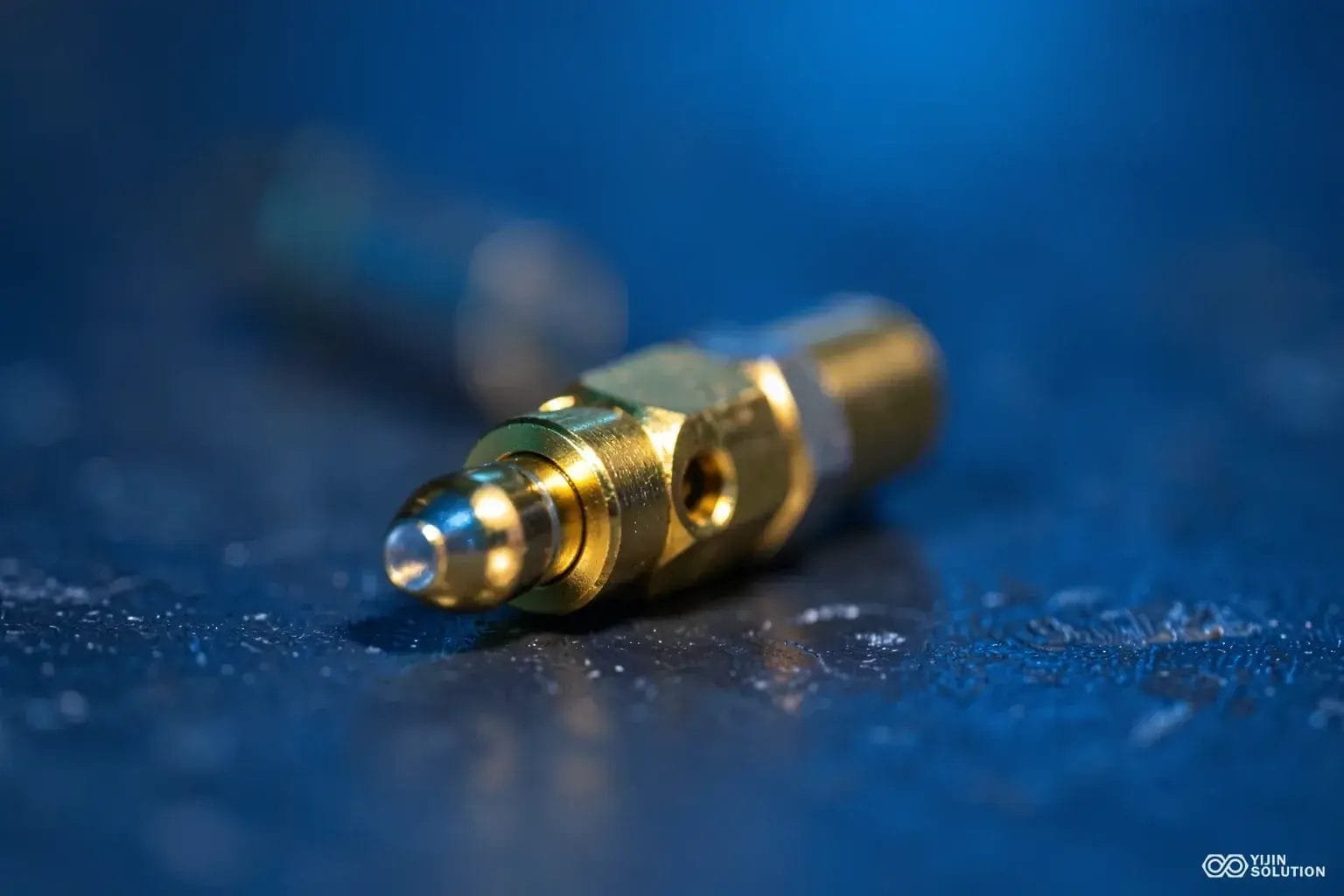
A finish that works with the part
We consider coating requirements together with functional dimensions, assembly interfaces, and the inspection plan—not as a finish callout in isolation.
Start with the substrate
We review the base material and part condition with the requested coating.
Protect critical fit
We flag threads, bores, and mating features where coating build may matter.
Agree the inspection
We discuss measurement points, acceptance criteria, and requested records before work begins.
A part-specific review
Define the coating around the part’s function
A workable plating plan starts with the component’s purpose and material—not just a finish description. We review the substrate, requested coating type and thickness, intended function, and dimensions that must remain within tolerance.
Tell us whether the priority is corrosion protection, appearance, electrical performance, or another defined function. We do not assume a plating type, process standard, or acceptance criterion unless it is stated and agreed for the project.
Turned components
Shafts, sleeves, bushings, and pins
We review functional diameters, contact surfaces, and any features that need to hold a final plated dimension.
Threaded details
Precision connectors and threads
We discuss whether threads are to be coated and how engagement or gauge requirements should be verified.
Milled geometries
Brackets, housings, and mounting plates
We consider bores, recesses, locating surfaces, and appearance-sensitive areas shown on the drawing.
Custom configurations
Turn-milled, Swiss-type, and drawing-based parts
We can review varied custom geometries for prototype development, repeat orders, and production runs, subject to project requirements.
We assess plating requirements in the context of the part drawing and intended assembly, so features needing special attention can be identified before machining and finishing are coordinated.
Dimensional planning
Account for coating build on critical dimensions
Plating adds material to a component’s surface. Its effect on final dimensions depends on the agreed process and the geometry being coated. A general drawing tolerance may not fully describe requirements for a plated part, especially where coating affects a functional fit.
Threads and engagement
Coating build can affect thread engagement and gauge results. Identify whether threads are to be plated and state applicable acceptance requirements.
Holes and bores
Coating can reduce the available opening. Call out critical diameters and any post-plating measurement or fit requirements.
Mating and locating surfaces
Specify which dimensions control assembly, alignment, or contact so the relevant features can be included in the review.
Edges, recesses, and contact areas
Geometry may influence coating distribution and appearance. For electrical applications, identify contact surfaces and the performance requirement to verify.
Where a drawing includes both pre-plating and final dimensions, we can review how machining and finishing requirements relate. Any machining allowance or process adjustment is agreed for the specific part rather than assumed.
From drawing to finishing handoff
Coordinate machining and external finishing requirements
For a job requiring electroplating, we can review the finish callout with the machining drawing and discuss how the finishing stage should be coordinated. The review may cover substrate, coating description, thickness, critical dimensions, masking or coverage notes, and inspection expectations.
If an external plating processor is involved, the processor and route are subject to project review and customer approval. We do not confirm a process, coating type, or external source until the requirements have been evaluated.
-
1
Review the specification
We compare the coating callout, drawing notes, substrate, and intended function, then raise missing or conflicting requirements.
-
2
Agree the route and critical features
We discuss the proposed finishing coordination, dimensions affected by coating, coverage notes, and customer approval before proceeding.
-
3
Align inspection and handoff
We clarify which checks apply before and after plating, what records are requested, and how results relate to agreed acceptance criteria.
A clear handoff helps reduce avoidable differences between the drawing, plating instruction, and final inspection. If a specification is incomplete or conflicts with a critical fit, we can raise the question before production or finishing.
Inspection planning
Plan checks for coated parts
Our inspection resources include dimensional measurement equipment and a coating thickness gauge. We can discuss an inspection plan based on the part drawing, coating requirements, and agreed acceptance criteria. Applicable methods and inspection coverage depend on project requirements.
Important qualification
The availability of a coating thickness gauge does not establish a particular test method or acceptance standard. Please provide the required method, limits, and documentation expectations for review.
Inspection discussions may cover
- Critical dimensions checked before and after plating
- Coating thickness measurement locations and result records
- Verification of threads, holes, and fit-related features
- Applicable visual condition and appearance requirements
- Requested inspection records and supporting documentation
Quality systems and project controls
Quality context for your project
YJCNC operates quality management systems certified to ISO 9001, ISO 13485, AS9100D, ISO 14001, and IATF 16949. We confirm certification scope and project applicability during supplier qualification. These certifications do not mean every external plating process or processor is covered by those systems.
For plated components, we can discuss how drawing requirements, machining checks, finishing instructions, and inspection records should be handled for the project. Include any traceability, audit, or documentation expectations in your inquiry so we can review them before order acceptance.
Share your application
We assess the route against the part—not assumptions.
If your coating specification is not final, send the current drawing and explain the application. We can identify the information needed to assess machining and finishing requirements without substituting an unapproved plating specification.
Send project detailsCommon project questions
Clarify the requirements before quotation
These are the details we use to understand how coating and machining requirements fit together. We confirm project-specific methods and acceptance criteria rather than assuming them.
What should I send for an initial review?
Send the part drawing and revision, base material and condition, requested plating type or specification, coating thickness, critical post-plating dimensions, and your functional or appearance requirements.
Can you confirm a specific plating process or standard?
We evaluate the requested specification and route for each project. We do not claim a particular plating process, coating type, external source, or acceptance standard is available until requirements have been reviewed and agreed.
How do I address threads, holes, or fit after plating?
Identify the critical features and final post-plating limits on the drawing or in your inquiry. We can discuss which checks are appropriate under the agreed project requirements.
Request an electroplating coordination review
Send the details we need to assess your part
Share the substrate, plating standard or specification, coating thickness, and critical dimensions. We will review the machining and finishing requirements together and clarify open specifications before proceeding.
- Part drawing and revision, base material, and material condition
- Required plating type or specification and coating thickness with applicable limits
- Critical post-plating dimensions, including threads, holes, and mating features
- Appearance, corrosion, or electrical requirements; inspection method and requested records
- Order quantity and any traceability or documentation expectations
Tell us about your part
Include the drawing and any finish notes you have available. If details are still under development, tell us what is known and where you need clarification.