CNC Machining for Acrylic PMMA
Acrylic PMMA CNC Machining for Custom Parts
We machine custom acrylic PMMA components to your drawings, including transparent panels, observation windows, instrument display parts and appearance components. Send us your drawing, visual acceptance criteria and order quantity, and we will review the material, machining route, dimensions and finishing requirements before preparing an RFQ.
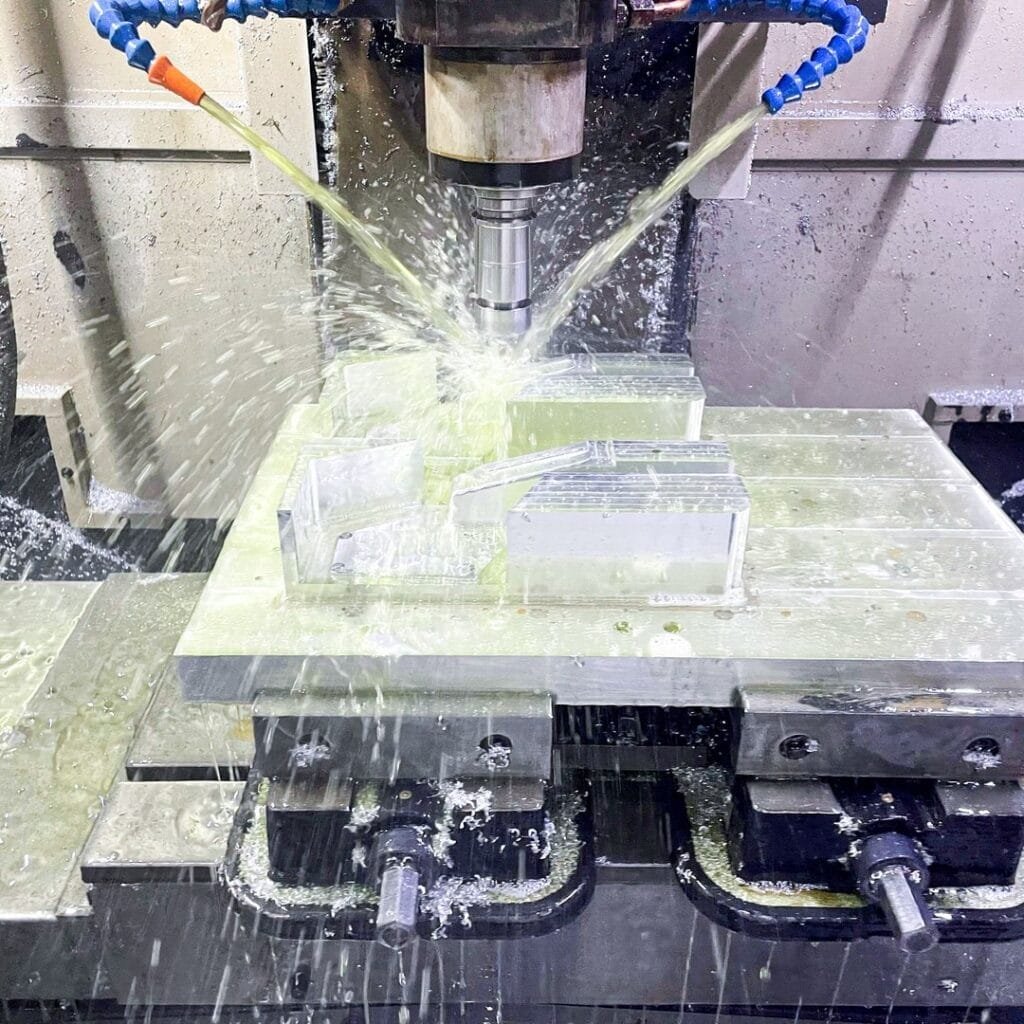
PMMA Parts We Can Review for Machining
We work with customers on made-to-drawing plastic components whose geometry, fit and appearance requirements need to be considered together. Part suitability depends on the PMMA grade, geometry, drawing requirements and requested appearance, and we review these details before confirming the manufacturing approach.
- Transparent covers, panels and guards
- Observation windows and viewing parts
- Instrument display components and bezels
- Housings, plates, brackets and mounting features
- Custom profiles, holes, slots and threaded features
- Repeat-order components for equipment and product assemblies
What Affects a Machined PMMA Part
A clear material does not automatically produce an optically clear machined surface. Tool marks, edge condition, handling and any post-machining treatment all affect the finished appearance.
Transparency and appearance
Please define which surfaces must remain visible, the acceptable appearance, and whether the requirement applies to faces, edges or both. This lets us evaluate the part against your real acceptance criteria instead of assuming a finish level.
Stress-related cracking
Part geometry, machining conditions, clamping and later exposure to chemicals or temperature can all contribute to stress-related cracking. We use the drawing and intended application to identify questions that should be resolved before production.
Our CNC Machining Options
We have CNC milling, turning, turn-mill and Swiss-type machining equipment. We review component geometry and production requirements to determine the appropriate process. Milling is typically relevant to panels, housings and parts with flat faces, profiles, pockets or holes, while turning may suit round components and cylindrical features.
Equipment inventory
- 3-axis and multi-axis CNC machining centers
- CNC lathes and turn-mill machines
Listed equipment precision is not a guarantee of achievable tolerance on every PMMA part. We confirm feasibility against the specific drawing, material and inspection requirements.
How We Evaluate Your PMMA Requirements
During quotation review, we focus on the factors that have the greatest effect on fit and appearance. If a requirement is unclear or difficult to verify from the drawing alone, we will raise it for discussion before production.
- Material
- PMMA grade, transparency or color, and any material specification.
- Geometry
- Wall thickness, unsupported areas, edge profiles, holes and internal corners.
- Dimensions
- Critical features, tolerances, datum references and assembly fits.
- Appearance
- Visible surfaces, edge quality, permissible marks and finish expectations.
- Quantity
- Prototype, initial production or repeat-order requirements.
- Use conditions
- Assembly method and relevant exposure to chemicals or operating conditions.
Dimensional Inspection and Quality Controls
We inspect parts against agreed drawing requirements using suitable measurement equipment, including a coordinate measuring machine, optical measuring systems, height measuring instruments, micrometers, calipers and other dimensional gauges. We can also discuss which dimensions require particular attention when reviewing your drawing.
Certified quality management
- ISO 9001
- ISO 13485
- AS9100D
- ISO 14001
- IATF 16949
Certification scope and any project-specific documentation requirements can be confirmed during supplier qualification.
Edge Quality, Surface Finish and Handling
Edge defects, visible machining marks and scratches can make a transparent component unsuitable even when its dimensions are acceptable. Photographs, reference samples or a marked-up drawing help us clarify the appearance standard you need.
Edge defects
Tell us which edges are visible after assembly and whether a specific edge treatment is required.
Scratches and marks
Mark cosmetic faces and describe permissible marks so we can confirm what can be quoted for the project.
Transport protection
Identify protected faces, any part-to-part contact, and packaging specifications. We will confirm the proposed packaging approach before order placement.
We review requested finishes against the drawing and do not assume or promise an optical-grade surface without that review.
Choosing a Machining Approach
The right approach depends on the part and its role in the assembly. Select a part type to see what we need from you. We can also review prototypes, design updates and repeat orders.
Information to Include in Your RFQ
For a useful quotation, please provide the items below. If some details are not yet established, send what you have and note what remains open. We will identify questions to resolve during project review.
- 12D drawing with dimensions, tolerances and material callout
- 23D model where it helps explain the geometry
- 3PMMA grade, color and transparency requirements, if specified
- 4Visual acceptance criteria for faces and edges
- 5Surface treatment or edge-finish requirements, if applicable
- 6Order quantity and expected repeat-order needs
- 7Assembly details or critical mating dimensions
- 8Packaging and part-protection requirements
Request an Acrylic PMMA Machining Quote
Send your drawings, appearance standard and quantity. We will review the part requirements and follow up on feasibility, inspection needs and any details required to prepare a quotation.
YJCNC
Yabian Community, Shajing Street, Baoan District, Shenzhen, China
Email: info@yjcncmachining.com