PVC CNC Machining
PVC CNC Machining for Custom Industrial Components
We machine custom PVC components using CNC milling, CNC turning, and turn-mill processes, subject to material and part suitability. Send us your drawing, PVC type, operating environment, and quantity, and we will review the requirements and prepare an RFQ response.
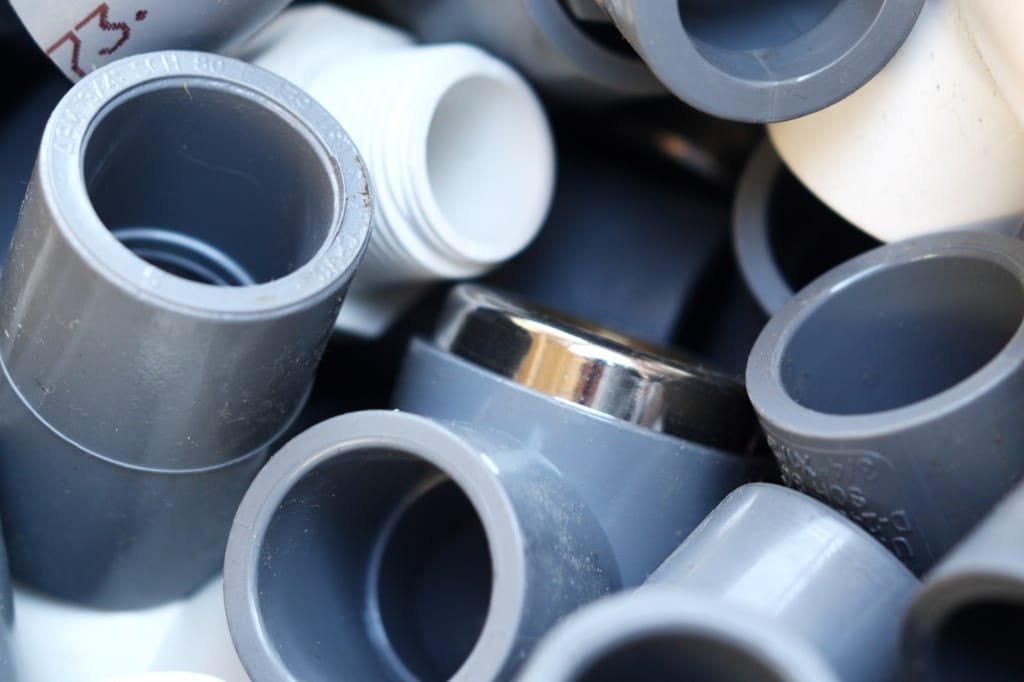
Built for corrosion-resistant and insulating parts
Our industrial buyers source PVC for housings, sleeves, bushings, spacers, and custom structural components where chemical resistance or electrical insulation matters. We assess each project against the specified PVC grade, working temperature, exposed media, geometry, and required inspection before we commit to a process.
Start with the PVC type and application
“PVC” alone is not enough information for us to confirm that a part can be made or will suit its service environment. Rigid and flexible PVC behave differently during machining and in use, so we need the specific material type and grade before we assess the project.
What to send with your RFQ
Include as much of the following as you have. Missing items are fine; we will flag them during review.
- MaterialPVC type and grade, with the supplier or material specification if available.
- DrawingPart drawing or 3D model with critical dimensions and tolerances.
- Service conditionsWorking temperature and the media the part will contact.
- VolumeQuantity, expected order frequency, and any prototype requirements.
- FinishSurface finish, color, or other material requirements.
- ComplianceInspection records, certificates, or compliance documents required for acceptance.
If the material has not yet been selected, we can review the part requirements with you. Final material selection and chemical compatibility should be confirmed against the actual grade and service conditions.
Rigid and flexible PVC are not interchangeable
Rigid PVC
Used for parts that must hold a defined shape. Geometry, wall thickness, clamping method, and cutting conditions affect edge quality and the risk of cracking or distortion. Thin walls, sharp internal corners, and concentrated clamping forces receive particular attention during design review.
Flexible PVC
A separate material category. Its compliance makes workholding, dimensional measurement, and control of the finished shape more challenging. We do not treat flexible and rigid PVC as equivalent, and we do not assume the same process or tolerance expectations apply to both.
Tell us which type you intend to use. If the drawing specifies only “PVC,” we will ask for clarification before confirming material suitability or quoting against a defined specification.
CNC processes for custom PVC parts
We offer CNC milling, CNC turning, turn-mill machining, and Swiss-type machining. The right process depends on geometry, dimensions, material behavior, tolerance requirements, and order quantity. Select a process below to see where it typically fits.
CNC milling
Suited to flat faces, pockets, slots, and mounting features. Typical parts include plates, brackets, and housings. Feature access and workholding are reviewed against the drawing before we confirm the setup.
CNC turning
Suited to cylindrical profiles, bores, and concentric features. Typical parts include sleeves, bushings, and spacers. Wall thickness and clamping are checked closely, since both influence concentricity and the risk of distortion.
Turn-mill machining
Suited to components that combine turned and milled features, such as custom fittings and connectors. Combining operations can reduce handling between setups when the geometry allows it.
Swiss-type machining
Considered for small, slender turned features such as pins and small precision components, subject to part and material suitability. Slender geometry in PVC is reviewed carefully before we confirm this route.
This is an initial guide, not a process guarantee. We review each drawing before deciding whether a listed process is appropriate for the specified PVC material and component.
Chemical exposure: review before specifying
PVC components may be selected for chemical service, but compatibility depends on the exact formulation and grade, the substance, concentration, temperature, exposure duration, and mechanical loading. A generic material name does not establish suitability for a particular environment.
We use the media and operating conditions in your RFQ to review manufacturing requirements and flag questions that may affect material selection or part design. We do not guarantee chemical compatibility without confirmation for the specified grade and conditions.
Safety-critical applications
Where failure could affect equipment or personnel, obtain material compatibility confirmation from the material supplier or a qualified engineering source before release to production. We can work from that confirmation once it is provided with your drawing.
Surface quality, cracking, and dimensional stability
PVC machining depends on how material, geometry, workholding, and cutting conditions interact. Poorly supported features or unsuitable clamping can contribute to cracking, marking, or dimensional variation. Thin walls and narrow features receive particular review.
- Surface requirements
- Identify functional surfaces, sealing or mating areas, and cosmetic expectations on the drawing or RFQ. A request for a “smooth finish” does not define an inspectable requirement, so please provide the measurement method or acceptance criteria where applicable.
- Dimensional stability
- Stability depends on material grade and part design. We review critical dimensions and tolerances against geometry and the intended inspection method.
- Capability figures
- Machine capability figures are not a blanket guarantee of finished-part tolerance. We confirm achievable requirements during project review.
Equipment and production resources
Our inventory includes 3-axis and 4-axis CNC machining centers, 5-axis CNC machines, CNC lathes, automatic lathes, turn-mill machines, and Swiss-type lathes. The equipment list is a starting point for process review, not a statement that every machine or tolerance suits every PVC grade.
We support prototypes, repeat orders, and production runs. Tell us whether your order is for initial validation, a one-time build, or recurring supply so we can plan process and inspection needs accordingly.
Inspection resources
- Coordinate measuring machine and optical measuring systems
- Height measurement instruments and surface roughness testers
- Dimensional gauges and other measurement tools
We inspect against agreed drawing and project requirements. Quality management systems are certified to ISO 9001, ISO 13485, AS9100D, ISO 14001, and IATF 16949; certification applicability depends on the project and certification scope.
Is PVC machining suitable for your project?
PVC CNC machining is worth evaluating when your part needs a custom shape, machined features, or dimensions not available in an off-the-shelf component. A practical review considers more than the material name.
Material: is the grade identified?+
Confirm whether the part is specified as rigid or flexible PVC and whether the grade is identified. Both affect process selection and inspection approach.
Environment: what will the part contact?+
Share the substances, temperatures, and exposure conditions the component will encounter, so we can flag questions before material selection is final.
Geometry: are there support or access risks?+
Identify thin walls, deep features, sharp corners, or areas that may be difficult to support during machining.
Function: which dimensions and fits matter?+
Mark the dimensions, surfaces, and fits that affect assembly or performance, so inspection effort goes where it matters.
Quantity and verification: what records are needed?+
Tell us whether this is a prototype, a scheduled repeat order, or a production run, and which inspection records or material documents are required for acceptance.
Request a PVC CNC machining quotation
Send us your drawing or 3D model, PVC type and grade, operating media and temperature, required quantity, and inspection or documentation needs. We will review the information for process suitability, clarify missing specifications, and respond with the next steps for quotation.
For an accurate RFQ review, include your target delivery schedule and note any critical features or supplier-approval requirements.
Contact YJCNC at info@yjcncmachining.com.
Company address: Yabian Community, Shajing Street, Baoan District, Shenzhen, China