CNC prototype machining
Prototype Machining for Product Development
We machine custom prototype components from engineering drawings using CNC milling, turning, turn-mill, and Swiss-type processes. Send us your 3D model, 2D drawing, material, quantity, and target date. We review each part and discuss a suitable manufacturing approach and quotation with you.
Our prototype work supports design validation, engineering changes, and evaluation before a potential production run. Feasibility, inspection needs, and timing are confirmed after drawing review.
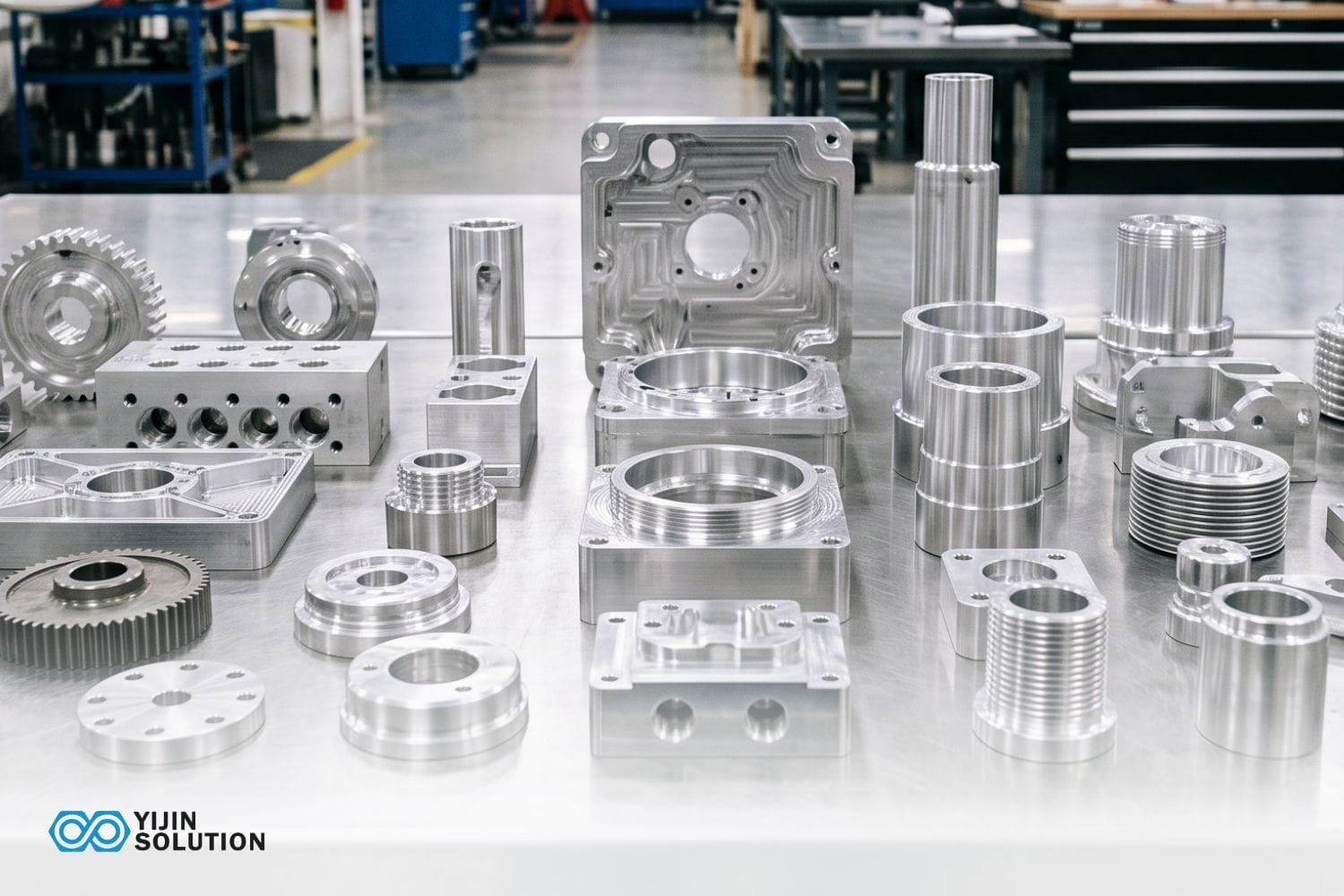
Prototype parts, made to your engineering requirements
A prototype needs to do more than resemble the final part. It may need to fit an assembly, test a design feature, or provide useful evidence for the next engineering decision. We manufacture custom parts against your drawings and specifications, and we consider the process and inspection requirements during project review.
A prototype may be machined as a single part or as part of a development batch. If you want to consider how a design could move beyond prototyping, we can also review repeat-order and production requirements with you.
What we review before quoting
A clear technical package helps us assess the part and spot details that may affect manufacturing. We check the following before we quote, and we raise any unclear feature, tolerance, or note with you rather than assume an interpretation.
- Geometry and features
- Overall shape, pockets, bores, slots, threads, and access for cutting tools.
- Material
- The specified material and any project requirements that affect its selection or machining.
- Tolerances and datums
- Critical dimensions, fits, and geometric requirements shown on the drawing.
- Surface and finishing
- Specified roughness, coatings, and other post-machining requirements.
- Quantity and target date
- Requested batch size and timing, subject to project review and capacity confirmation.
- Inspection needs
- Dimensions or characteristics that require verification and any documentation requested.
CNC processes for different prototype geometries
We select a process based on the part's geometry, dimensions, tolerances, quantity, and project requirements. Choose a process below to see where it fits. Machine suitability depends on the part, and we confirm the proposed route during quotation.
CNC milling
Our 3-axis and 4-axis machining centers, plus 5-axis CNC machines, handle housings, brackets, plates, and multi-sided components. Multi-sided parts are reviewed for setups and datum strategy before cutting begins.
CNC turning
CNC lathes produce shafts, sleeves, bushings, and other rotational parts. We review concentricity needs, bore and diameter tolerances, and the features that must be held relative to each other.
Turn-mill machining
Turn-mill machines combine turning and milling on one component. This route can reduce handling between operations when a part has both rotational and prismatic features.
Swiss-type machining
Swiss-type lathes suit small, slender, or complex turned components. Suitability depends on geometry and requirements, and we confirm it during drawing review.
Automatic turning and screw machining
Automatic turning and screw-machining equipment can make pins, small turned parts, screws, and threaded fasteners where suitable for the design and quantity.
25
3-axis machining centers
1 + 8
4-axis center plus 5-axis CNC machines
43
CNC lathes
15
Turn-mill machines
Design review can surface manufacturing questions early
Many prototype projects involve a design that is still changing. We assess the drawing and model for tool access, feature relationships, tolerance requirements, and the practicality of machining the specified geometry.
This review helps identify questions to resolve before production, such as whether a critical dimension needs a clearer datum, whether a deep feature affects tool access, or whether the inspection method should be specified. Our feedback is based on the information you supply; design approval and final part requirements remain with you.
Typical early questions we raise
- Does a critical dimension need a clearer datum reference?
- Does a deep or narrow feature limit tool access?
- Should the inspection method or characteristics be specified on the drawing?
- Are any tolerances tighter than the function of the part requires?
Managing revisions and uncertain schedules
Prototype timing can vary with part complexity, material availability, revision status, quantity, finishing, and inspection scope. We do not publish a fixed prototype lead time. After we review your project, we can discuss a target schedule and confirm what is feasible.
Before we start
Send the current revision
Send the model and drawing together at the same revision, and identify any dimensions that are still under review.
After quotation
Report changes early
If the design changes after quotation or machining has begun, tell us which files and requirements changed so we can assess the impact before proceeding.
Inspection suited to drawing-based verification
We inspect prototype parts against the agreed drawing and project requirements. The appropriate method depends on the part characteristics and acceptance criteria, so please identify critical features or documentation needs in your RFQ and we will review them with the quotation.
Coordinate measurement
A coordinate measuring machine (CMM) for dimensional and geometric checks.
Optical measurement
Five optical measuring systems for feature and profile verification.
Height, concentricity, roughness
Height-measuring instruments, a concentricity instrument, and a surface roughness tester.
Gauges and threads
Dimensional gauges and thread gauges from M1.0 to M16.
Quality systems
Our quality management systems are certified to ISO 9001, ISO 13485, AS9100D, ISO 14001, and IATF 16949. Certification scope and applicability should be confirmed for your specific project and customer requirements.
Useful for engineering teams preparing a design decision
We work with product development companies, engineers, hardware startups, and OEM R&D teams that need custom machined parts for development and evaluation. Prototype machining may be a fit when you need to:
- Check part fit and interfaces within an assembly.
- Evaluate a machined feature or component geometry.
- Prepare parts for engineering tests or design reviews.
- Revise a component before a repeat order or production run.
- Review manufacturing considerations while finalizing a design.
For medical, aerospace, or other regulated applications, include the applicable quality, traceability, and documentation requirements in your inquiry. We will review them against the project scope before confirming feasibility.
Choosing a process for your part
The best route depends on the component, not the label "prototype." A milled housing may need a different setup from a slender turned shaft, and a part with both turned and milled features may warrant a turn-mill review. Small-diameter components may be considered for Swiss-type machining, subject to geometry and requirements.
If you have a preferred process, include it in your inquiry. If not, send the drawing and model, and we will review suitable options with you.
Prepare an RFQ for prototype machining
For a useful quotation, please include the following. If some details are not finalized, note what is still under consideration and we will identify what is needed to assess the request.
-
1
3D model
In a commonly used CAD format, if available.
-
2
2D engineering drawing
With dimensions, tolerances, material, and revision.
-
3
Material specification
Including any required condition or finish.
-
4
Quantity
For the prototype request and any anticipated repeat quantities.
-
5
Target date
And any important project milestones.
-
6
Finishing and inspection
Critical features and any documentation you require.
-
7
Project background
The part's intended evaluation or assembly context, so we can judge which checks matter most.
We do not assume minimum order quantities or delivery timing. Both depend on the specific project and are confirmed after review.
Frequently asked questions
Do you publish a fixed prototype lead time?+
No. Timing depends on complexity, material, revision status, quantity, finishing, and inspection scope. After reviewing your project, we discuss a target schedule and confirm what is feasible.
Can you machine from a 3D model alone?+
A 3D model is useful, but we recommend also sending a 2D drawing with dimensions, tolerances, material, and revision so that critical requirements are defined clearly.
Is there a minimum order quantity?+
We do not assume a minimum order quantity. Batch size is reviewed for each project and confirmed with the quotation.
What if our design changes during the project?+
Tell us which files and requirements have changed. We will assess the impact on process, schedule, and cost before we proceed.
Send us your prototype drawings
Share your project details with YJCNC to request a prototype machining review and quotation. Include your 3D model, 2D drawing, material, quantity, target date, and project background.
We will review the information you provide and respond about manufacturing requirements, open questions, and next steps for quotation.
- Email: info@yjcncmachining.com
- Phone:
- WhatsApp:
- Postal address: Yabian Community, Shajing Street, Baoan District, Shenzhen, China
Request a quotation